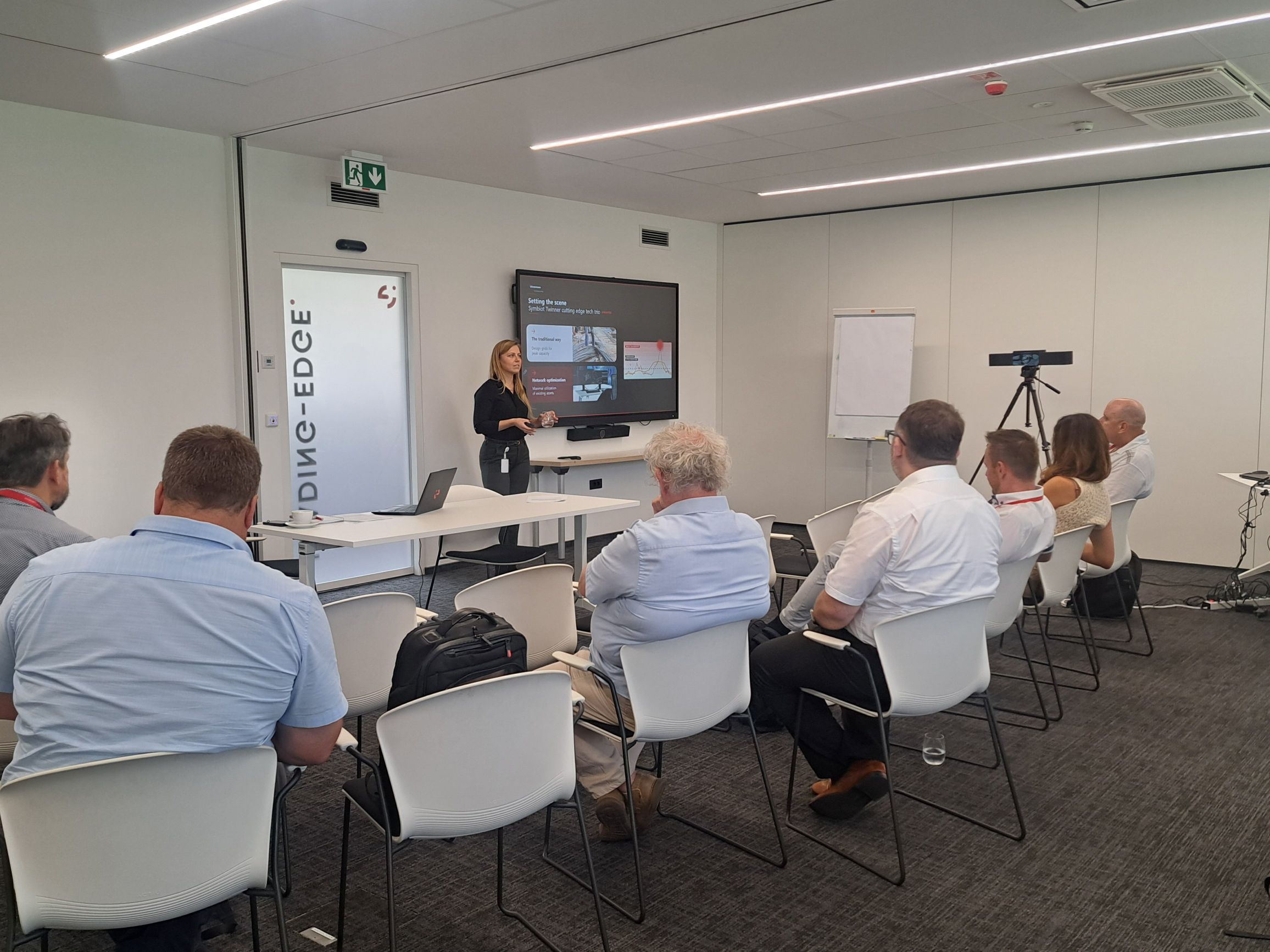
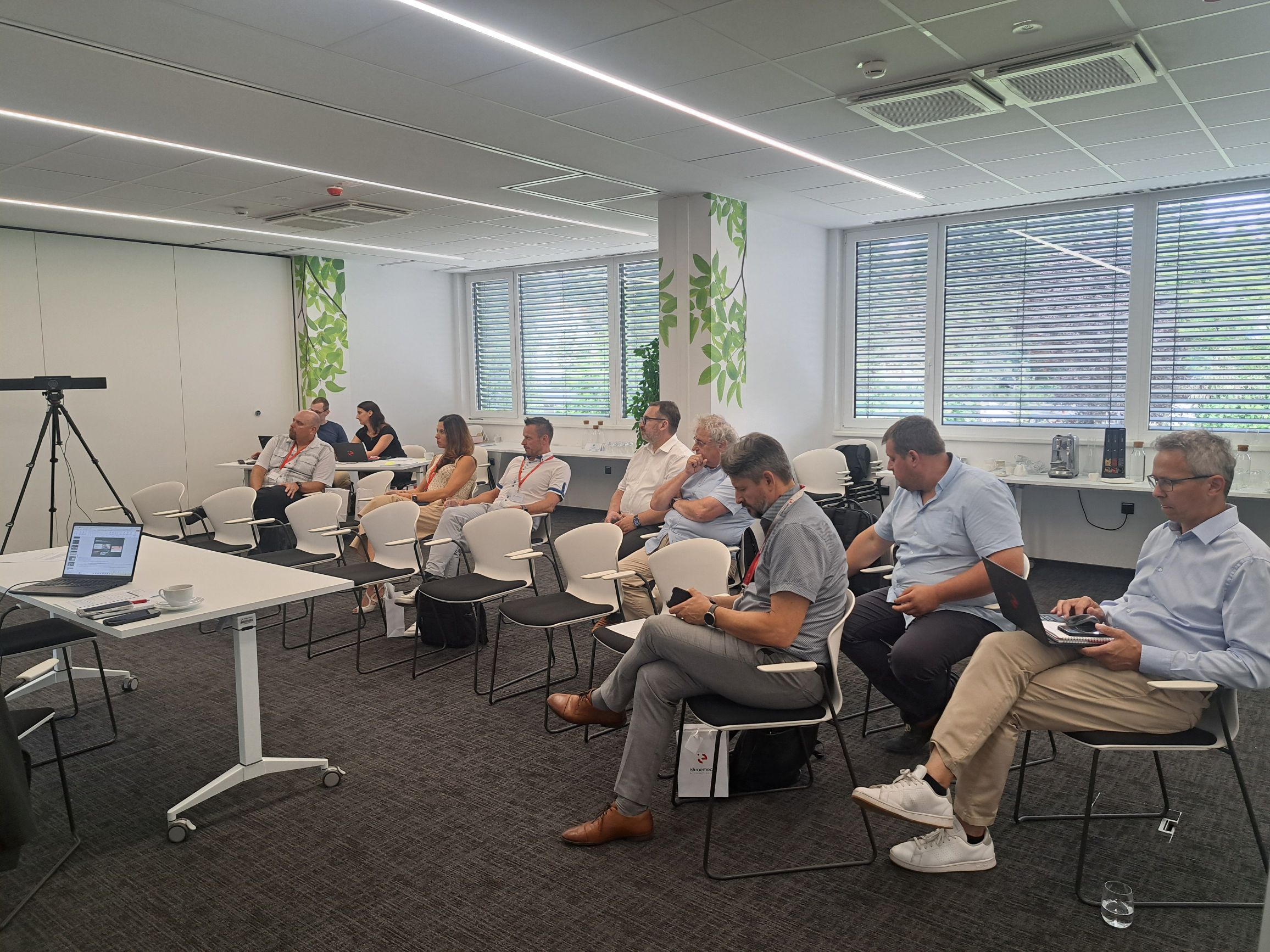
To better understand these challenges and encourage knowledge sharing across the industry, Iskraemeco recently hosted a workshop and roundtable discussion bringing together representatives from leading Slovenian utility and grid management organizations, including Elektro Ljubljana, Elektro Maribor and Elektro Gorenjska, as well as representatives from ELES and experts involved in grid digitalization.
The event was not designed as a traditional product presentation. Instead, participants actively engaged in discussions and collaborative workshops, identifying key challenges and exploring the questions they face when operating and planning distribution networks.
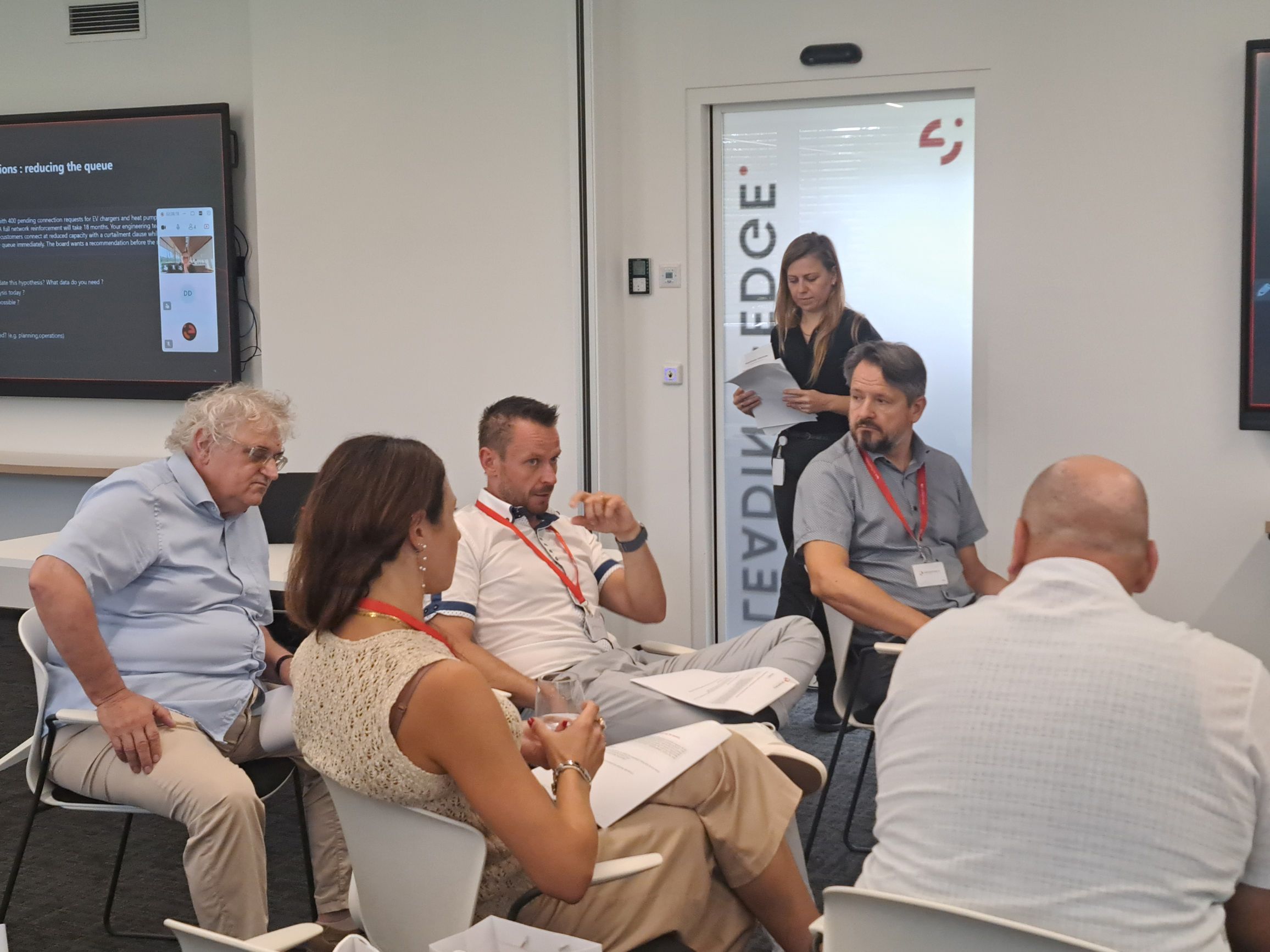
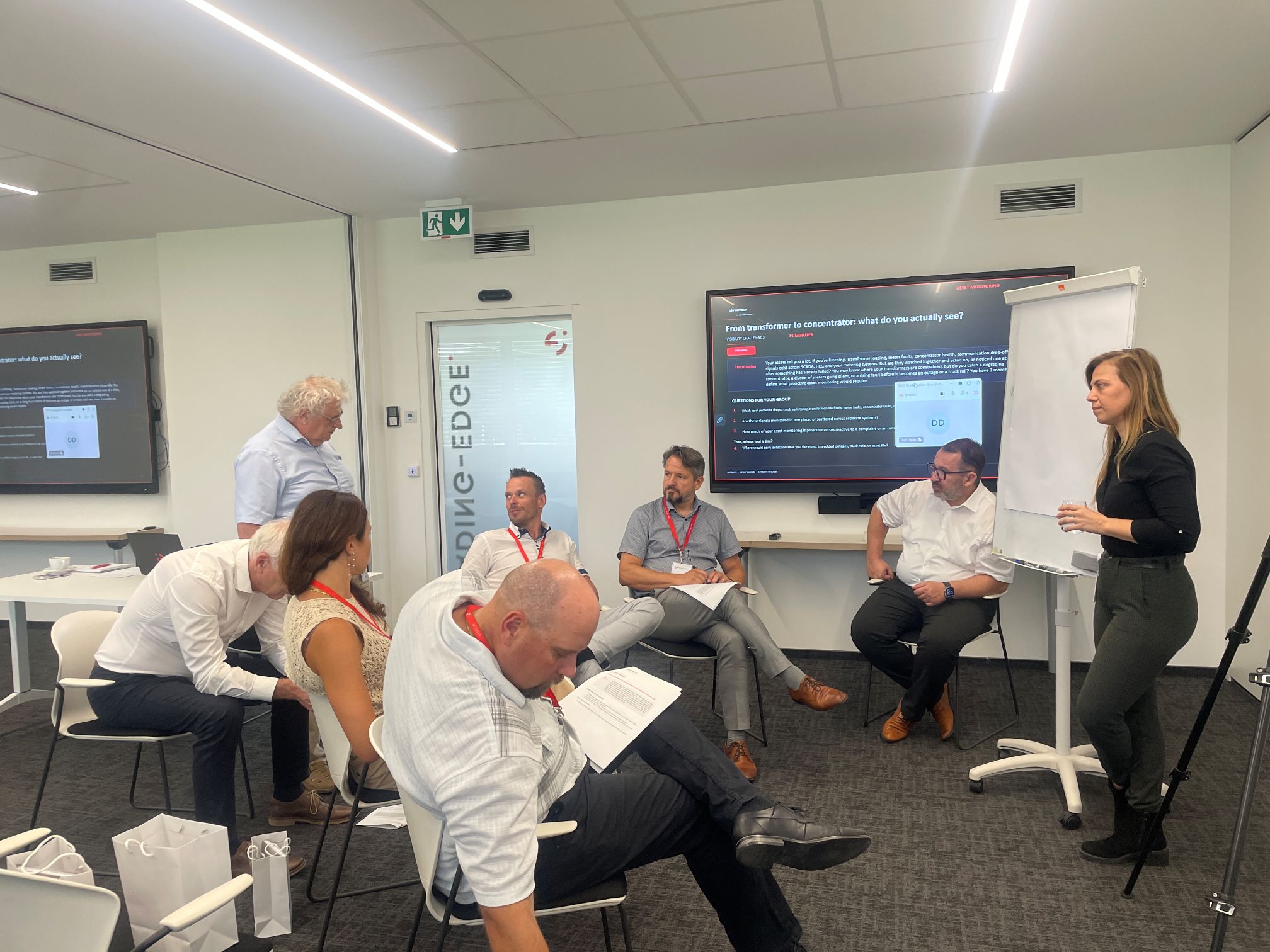
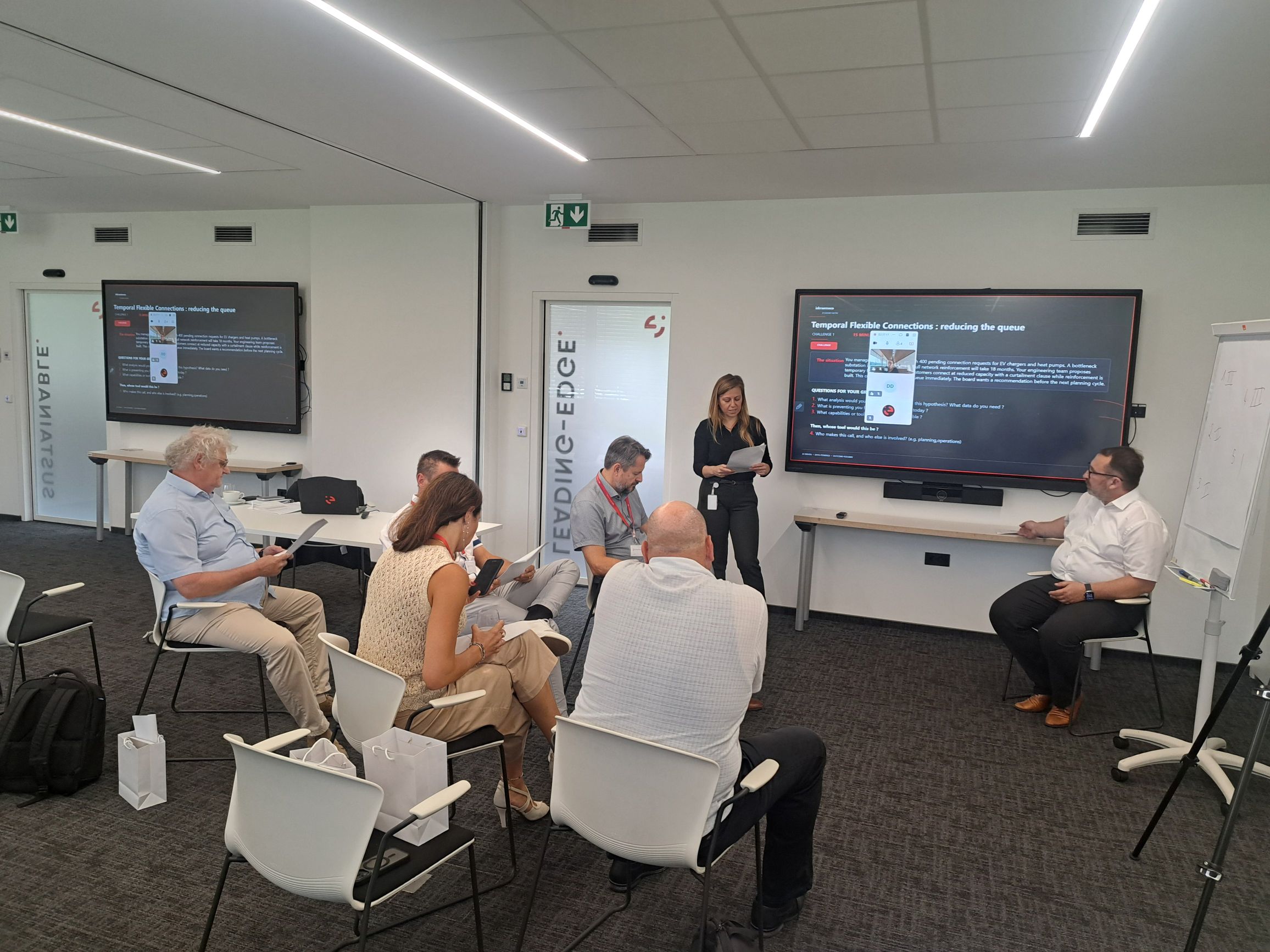
Data is no longer the problem. Using it effectively is.
One of the most important conclusions emerging from the discussions was that utilities are no longer struggling with a lack of data. On the contrary, information from AMI systems, GIS platforms, SCADA environments and many other sources is more available than ever before. The real challenge lies in connecting that information and transforming it into meaningful insights that enable faster and better decision-making.
Participants discussed topics such as operational intelligence, the integration of data from different systems, low-voltage grid visibility, asset monitoring and investment planning in a period of accelerating electrification and increasing numbers of distributed energy resources. Particular attention was also given to understanding hosting capacity for new grid connections and to improving network planning based on real operational data rather than static assumptions.
Several common priorities emerged throughout the discussions. Participants highlighted the need for a unified view of data across systems, better visibility into low-voltage networks, improved monitoring of assets and communication infrastructure, and more effective investment planning in an increasingly dynamic energy landscape. Equally important was the ability to make faster and more informed decisions based on available data.
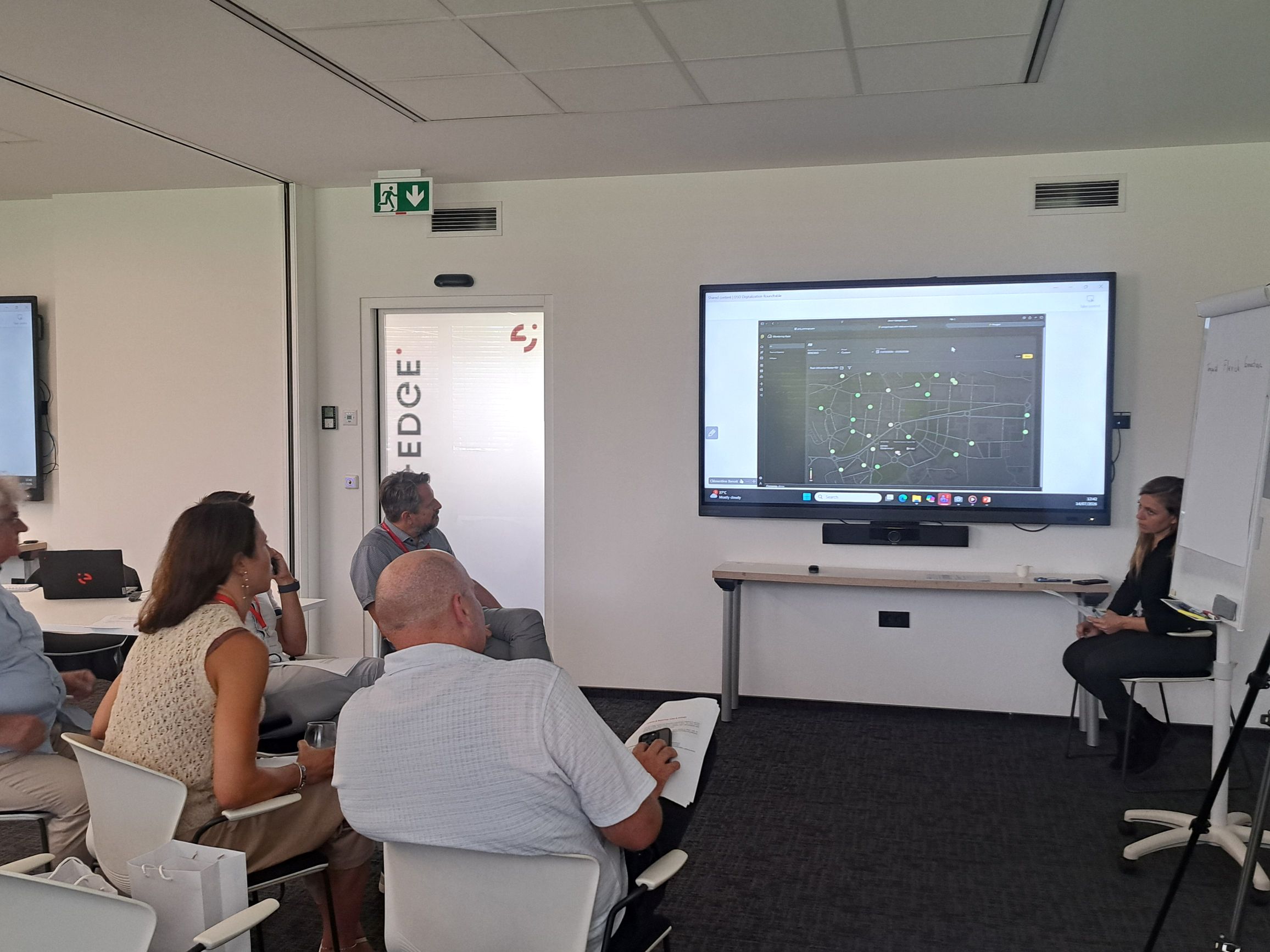
These discussions also provided the context for presenting Symbiot GridMaster and Symbiot Twinner, two solutions designed to support operational intelligence and network planning.
Symbiot GridMaster enables utilities to transform operational data into actionable intelligence. Through advanced analytics, automation and AI-driven insights, it helps operators identify anomalies, understand operational risks, prioritize actions and make faster, better-informed decisions. By bringing together information from multiple systems, GridMaster provides the context needed to improve operational performance and move from reactive to proactive grid management.

Symbiot Twinner provides a digital twin environment that supports long-term network planning, flexibility management and scenario analysis. By combining network models with operational information, it enables utilities to understand how different network developments, connection requests and flexibility scenarios may impact future grid performance. This allows operators to make more informed planning decisions, optimize investments and improve their readiness for the ongoing energy transition.

While the discussions focused primarily on the challenges utilities face today, the conversations repeatedly demonstrated the growing importance of tools that improve visibility, connect data across systems and support data-driven decision-making.
The event confirmed that utilities are facing many of the same challenges, regardless of their size or organizational structure. More importantly, it highlighted the value of open dialogue, knowledge sharing and collaboration in addressing the questions that will shape the future of distribution networks.