Key takeaways from Iskraemeco at Enlit Europe 2026
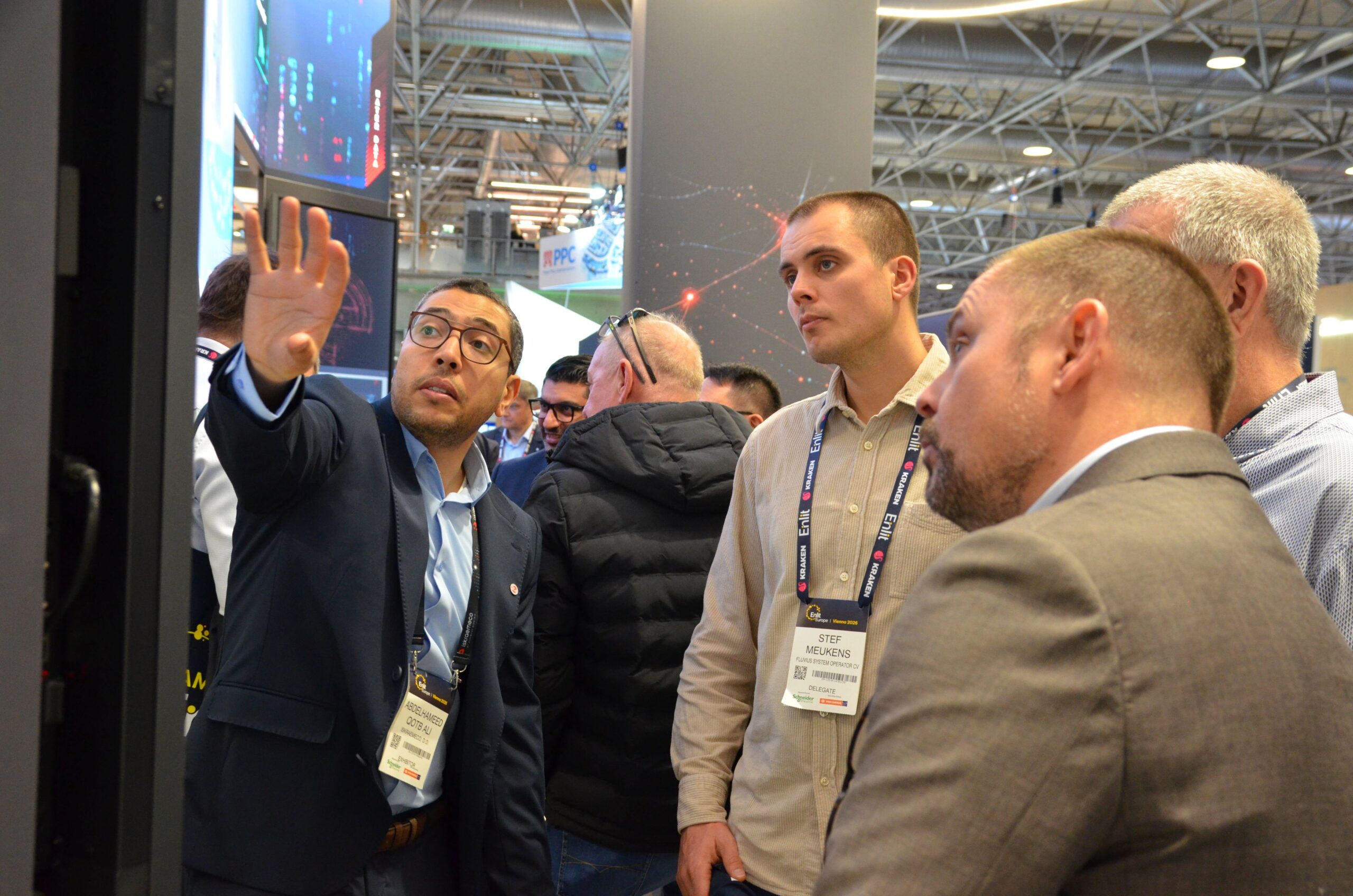
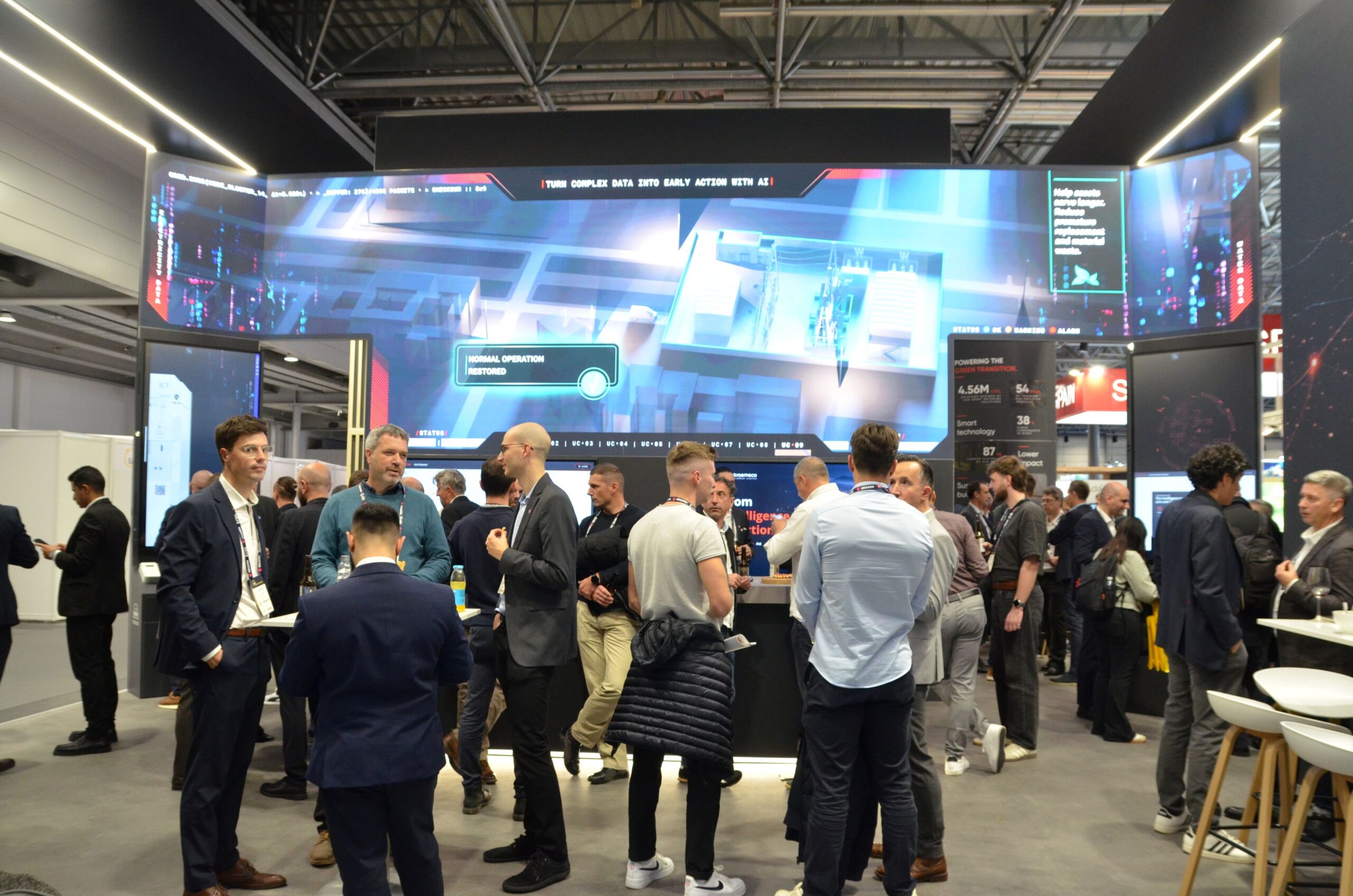
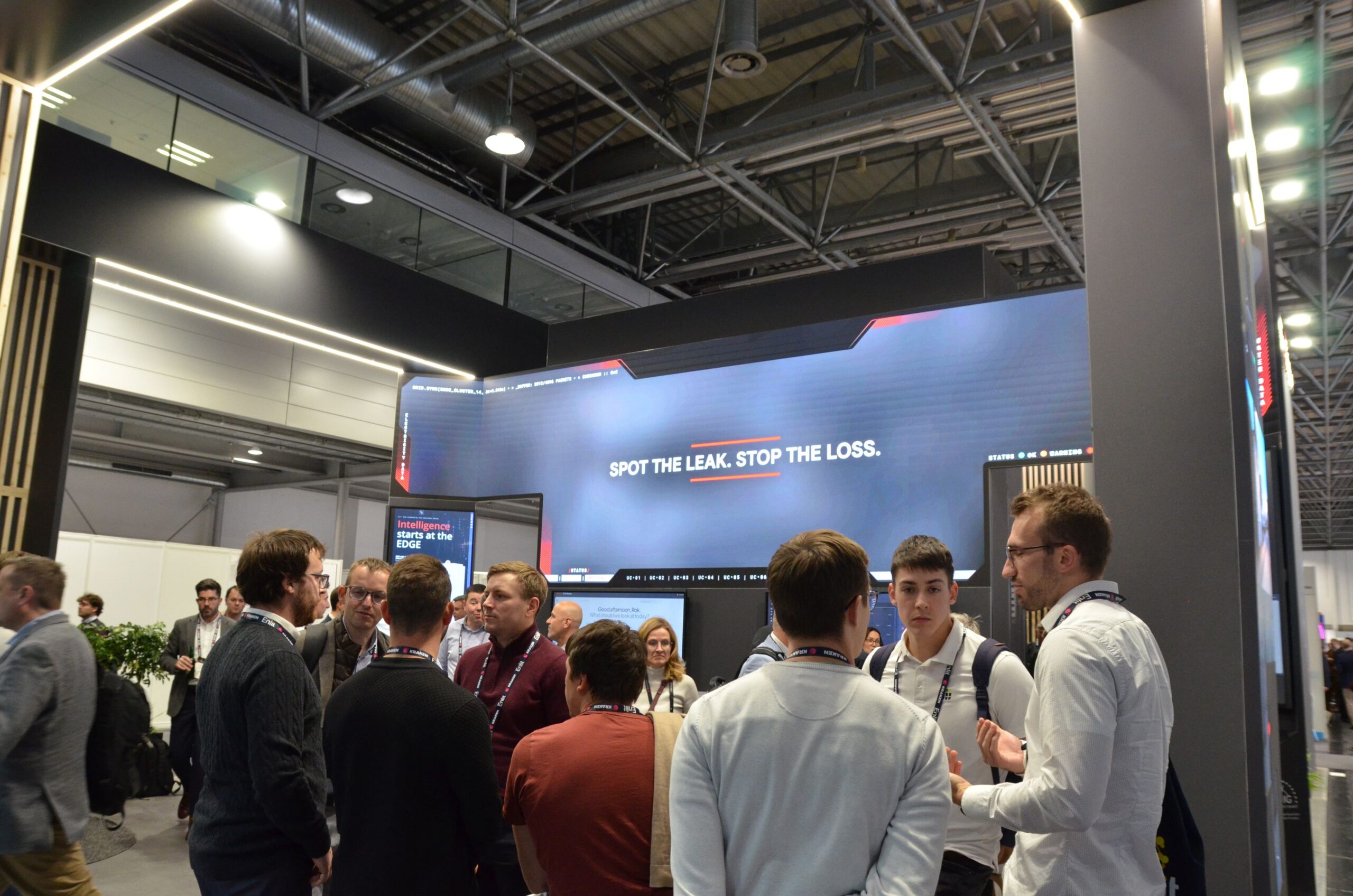
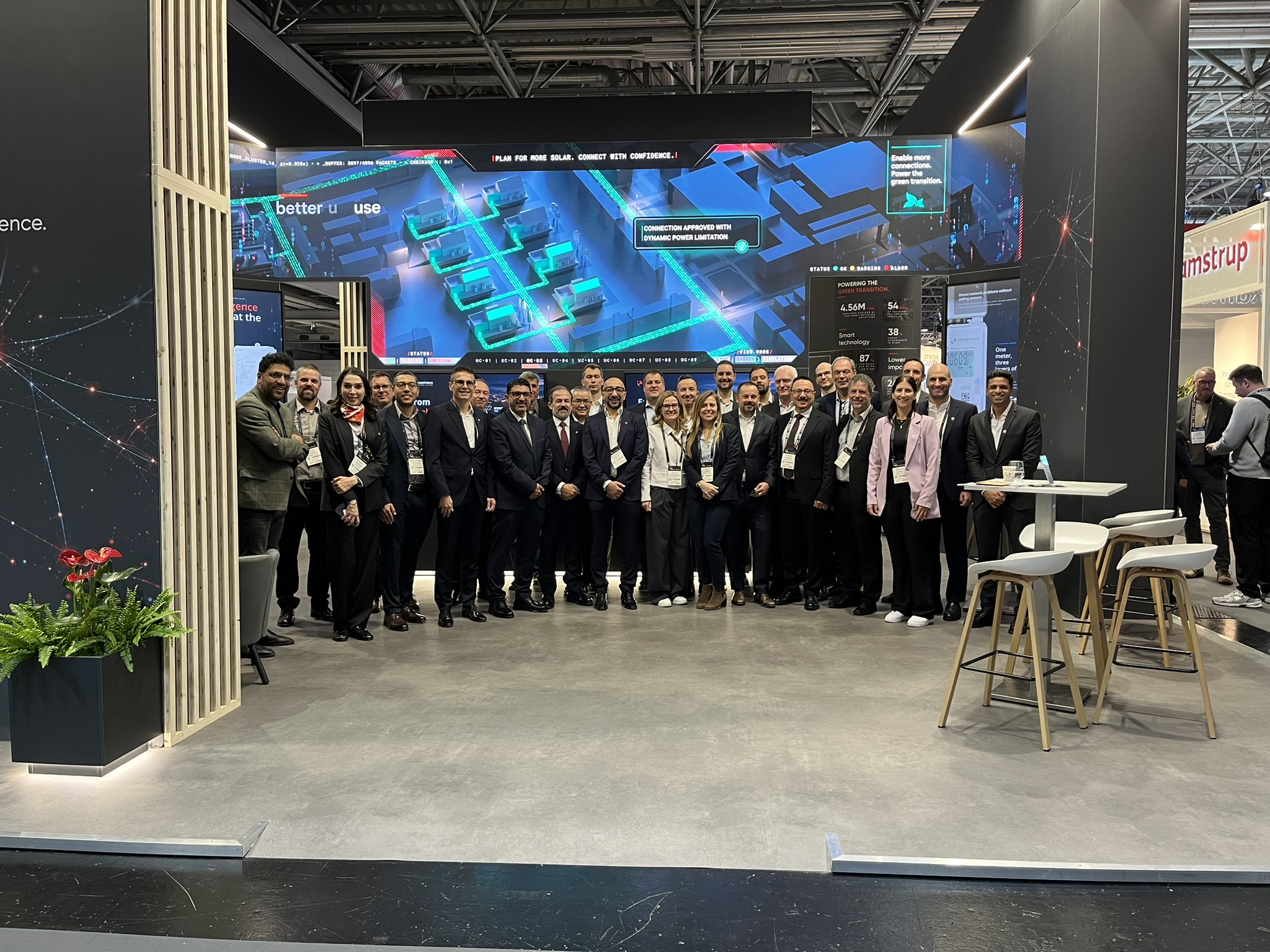
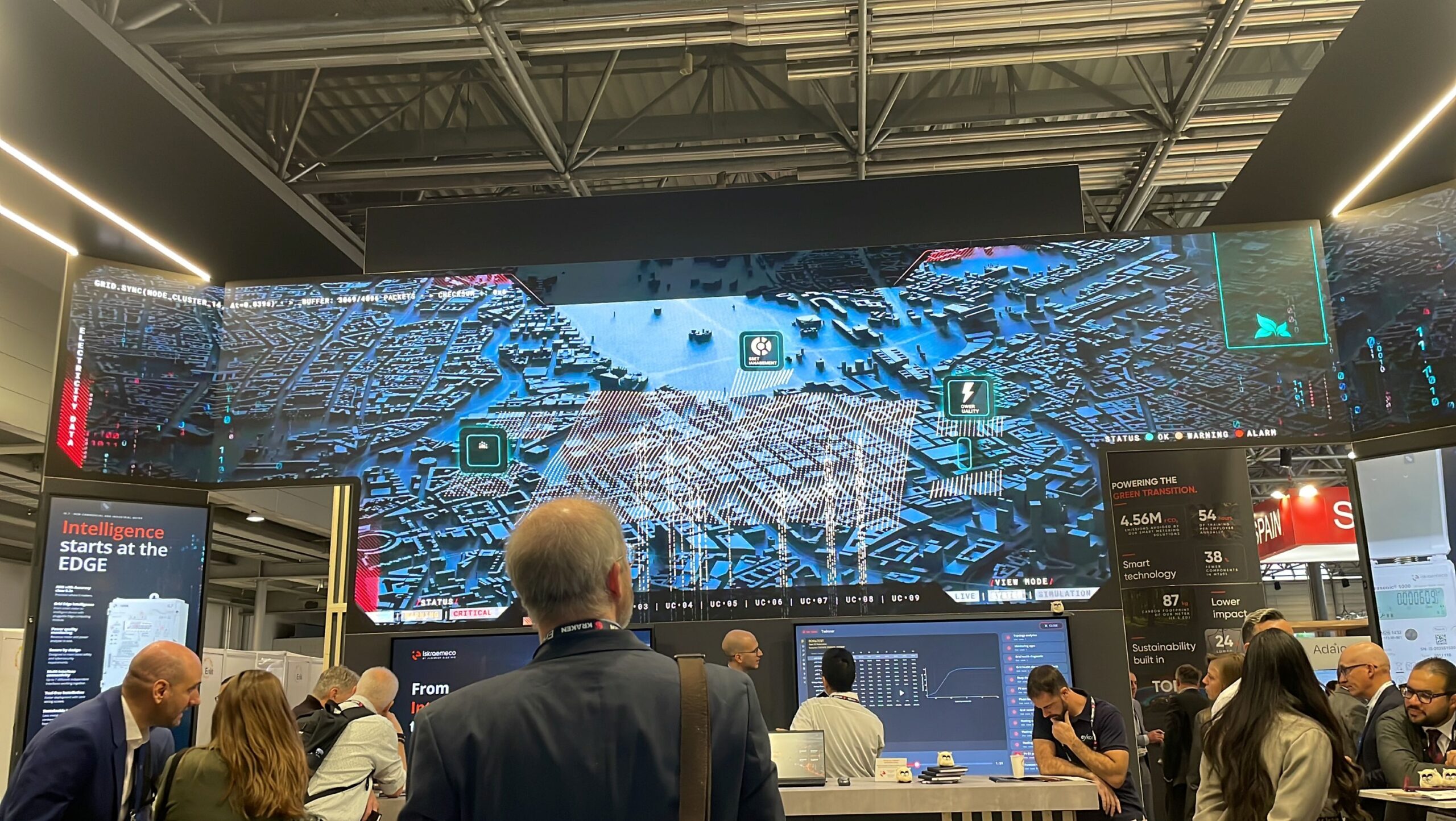
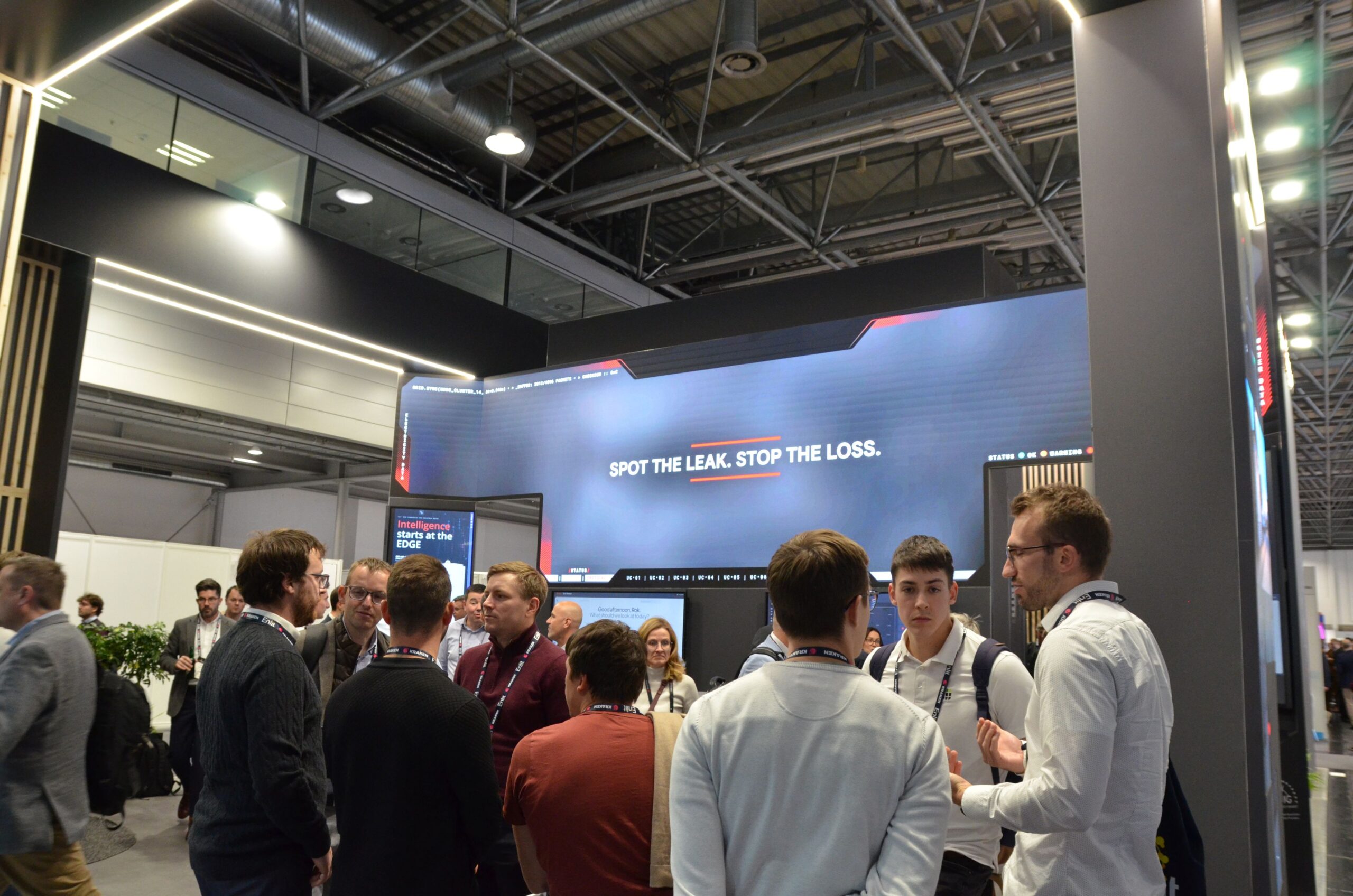
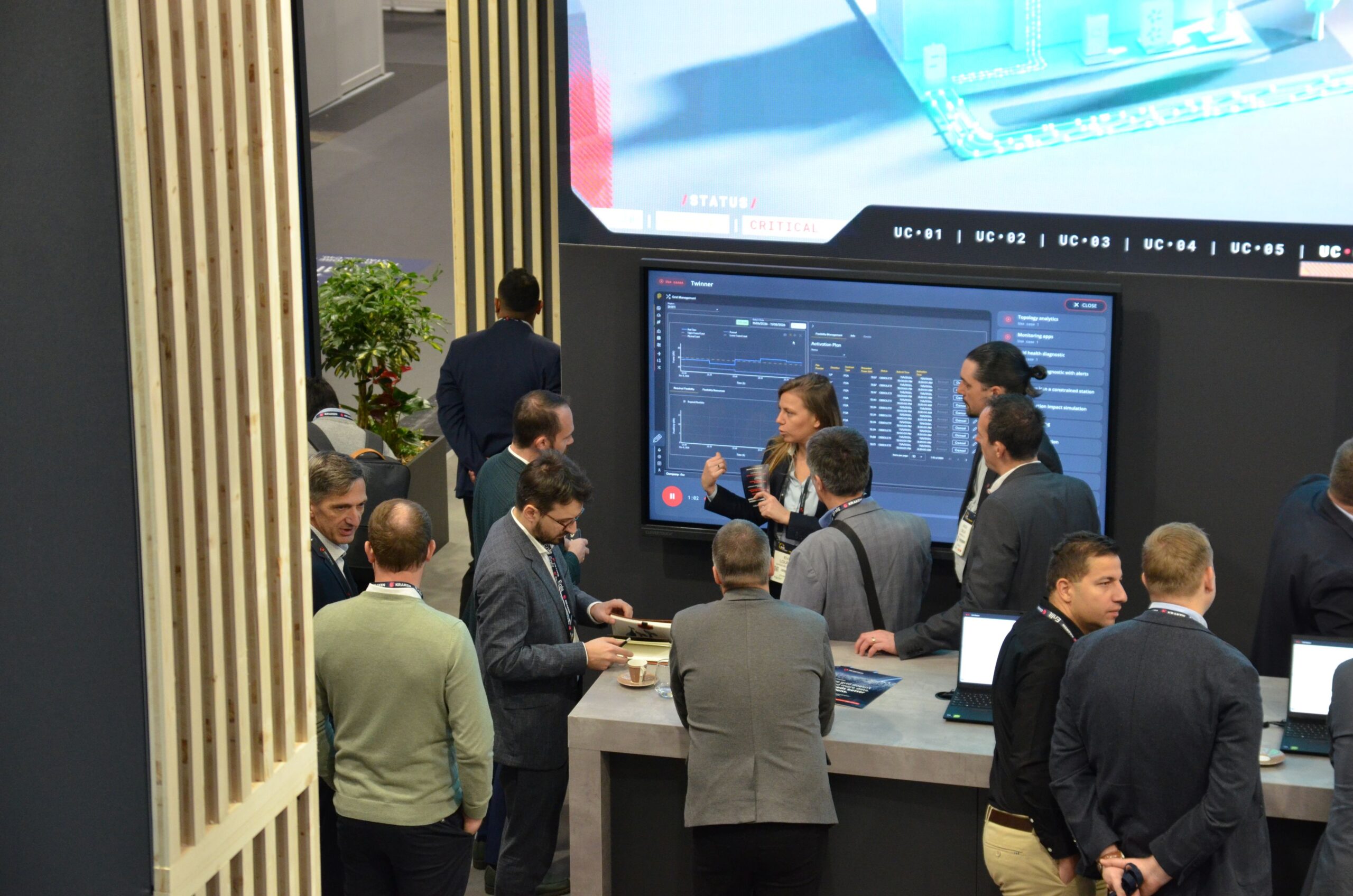
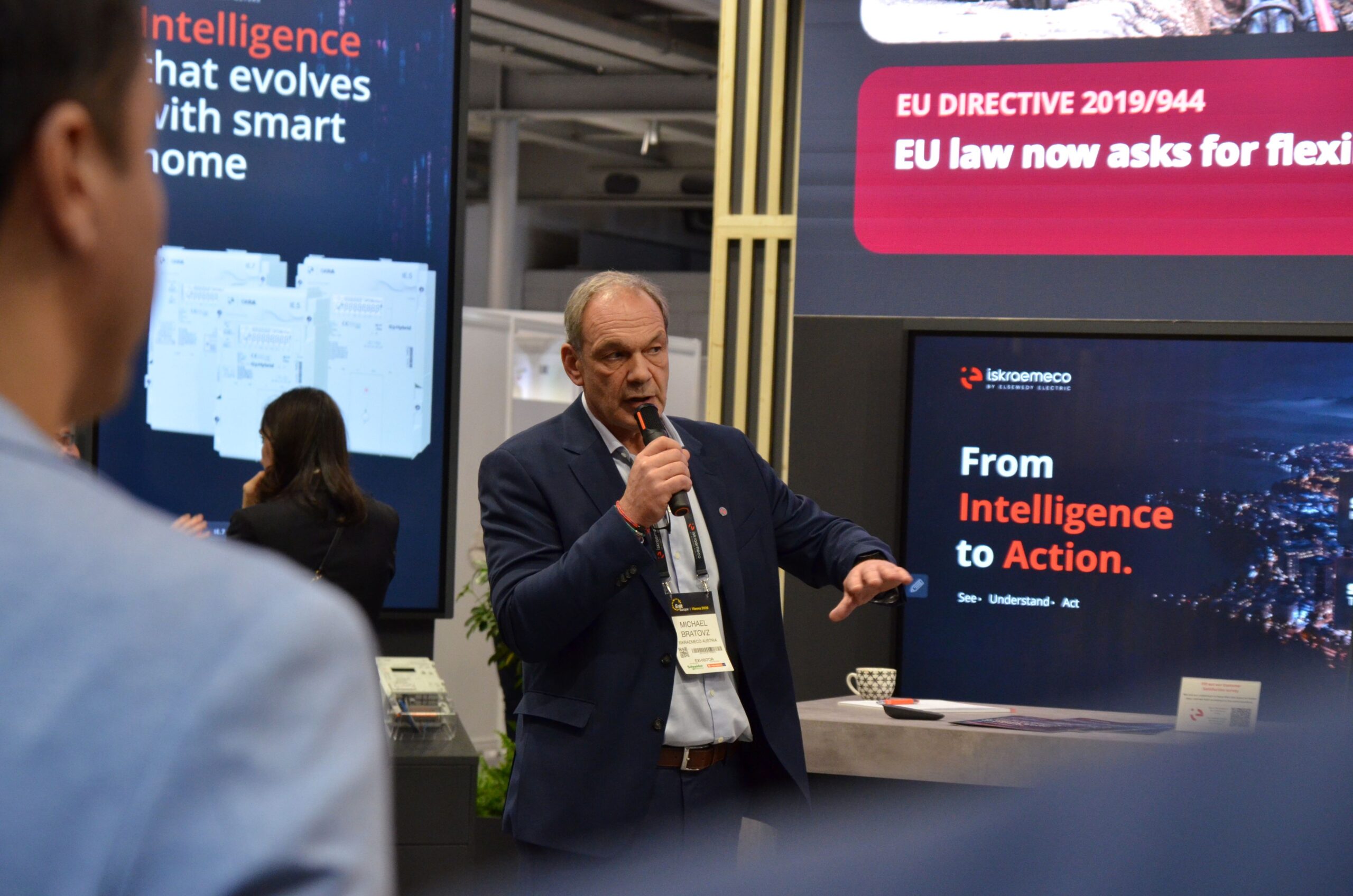
Many visitors still know Iskraemeco for meters. This year our presence told a bigger story. Visitors could follow the whole journey, from smart meters and edge devices in the field, through the Symbiot software platform, to a live grid intelligence operations center managing electricity and water networks. The message was simple: the hardware collects the data, and the intelligence on top of it is what helps utilities act. In the background, artificial intelligence and intelligent agents continuously analyze the data, detect anomalies and recommend the next steps needed to resolve an issue or prevent it before it affects the network.
What we took home from Vienna
- The data is already there, using it is the hard part: Most utilities don’t lack data. They have meters, sensors and systems generating more of it every day. What they are missing is a clear view of what is really happening in the network and what to do next. Turning existing data into insight they can act on was the thread running through almost every conversation at our stand. AI and agents can help here by preparing concrete recommended actions for operators, from verifying the root cause to prioritizing field interventions.
- Use the grid you have before building a new one: Connection requests are growing faster than budgets and construction crews can keep up with. That’s why the question DSOs kept asking us was not “where do we build?” but “can we connect this without reinforcement?” Utilities that know their networks well, for example through a digital twin of the low-voltage grid, can see where the real constraints are, plan investments where they matter most and connect more customers to the infrastructure they already have.
- Flexibility is moving from pilots to daily operations: EVs, heat pumps and solar panels are changing how the low-voltage grid behaves, often from one hour to the next. Planning for peaks is no longer enough. Utilities want to manage loads locally and in near real time, and they increasingly want to do it with the smart meters they have already installed. One of our experts described edge control as an airbag for the low-voltage grid: a system that stays in the background until the network needs it.
- Water losses are no longer seen as a cost of doing business: Every liter of treated water that leaks away takes energy, money and reliability with it. Water utilities are moving from finding leaks after the damage is done to spotting losses early and deciding where to act first. As we heard at our stand, the next liter we save may matter as much as the next liter we produce.

Looking ahead to 2030
Imagine a neighborhood where dozens of cars plug in at the same time. A grid that sees the local transformer heading for overload could adjust charging for customers who have opted in and still have every car ready when its owner needs it. Operators set the rules, customers choose how much flexibility they offer, and the grid acts early enough to make a difference. In the background, AI agents can monitor conditions, assess risk and recommend or, within operator-defined rules, trigger the most appropriate response. This shifts operations from reacting after an event to preventing problems early. That is where Grid Intelligence is heading, and it is the direction we are building toward.
A big thank you to everyone who visited our stand, joined our sessions or stopped by for a conversation. We are already looking forward to Enlit Europe 2027 in Paris, from 16 to 18 November. Until then, if something you saw in Vienna is relevant to your network, let’s continue the conversation: