

From measurements to observability
Last week, at the PTPiREE 2026 conference in Poland we proved why it remains one of the key meeting points for distribution system operators and technology providers focused on measurements, diagnostics, and modern grid operation.
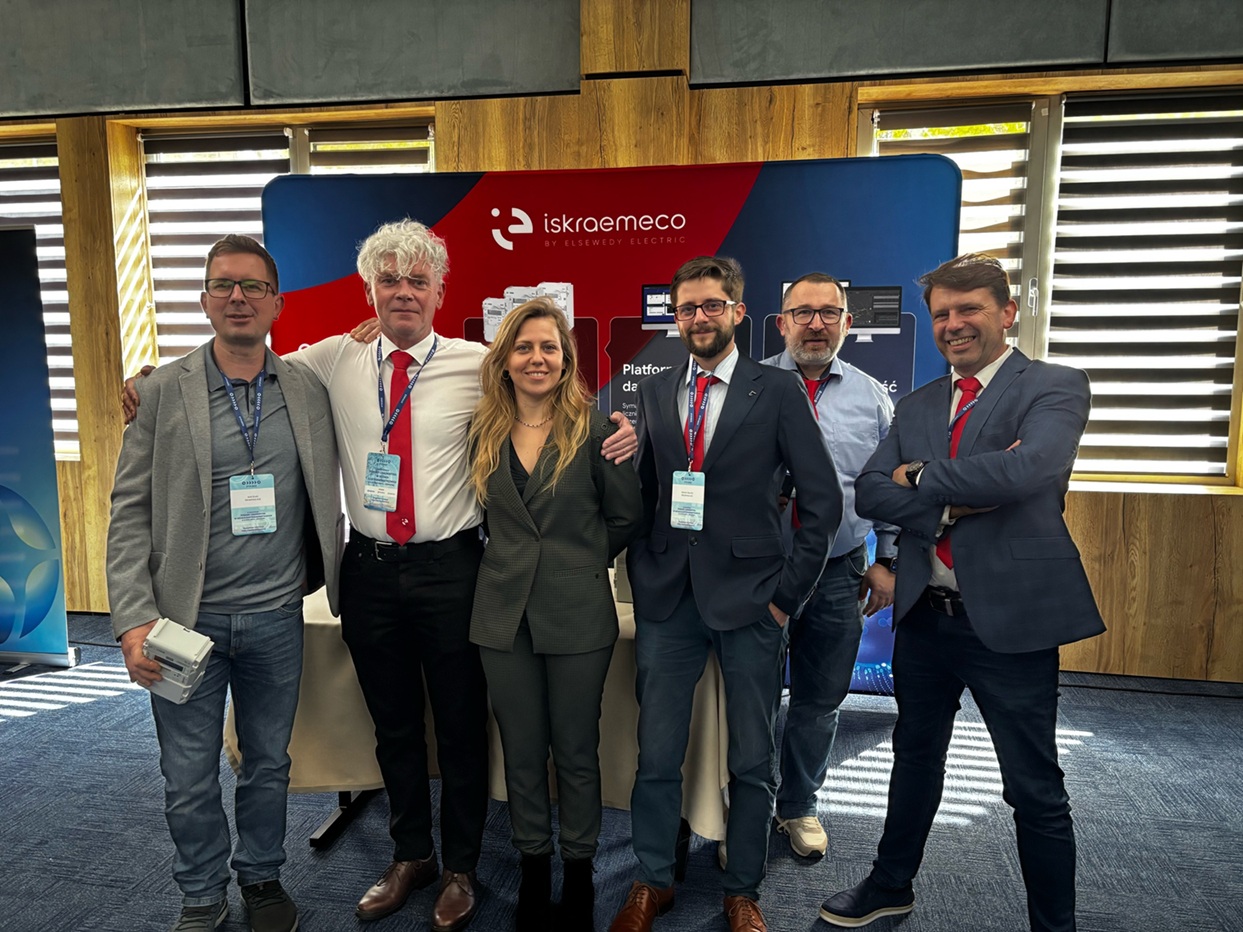
While the agenda covered familiar topics, what made this year’s event particularly relevant were the discussions around how utilities are dealing with an increasingly complex reality: more data, more variability in the grid, and higher expectations for reliability.
More data, but not always more clarity
Throughout the event, one recurring question kept surfacing in conversations with utilities: How do we turn all this data into something operationally useful?
It is no longer about whether data exists, it clearly does. The challenge lies in translating measurements into clear visibility, reliable diagnostics, and confident decisions. Especially in low‑voltage networks, where visibility is still limited, this gap between data and understanding remains one of the key obstacles.
This was reflected in many discussions during the event, where participants openly shared that, despite ongoing digitalization efforts, turning fragmented data into consistent operational insight is still work in progress.
Iskraemeco’s contribution to the event focused on exactly this gap: how to move from measurements to observability in a structured and usable way.
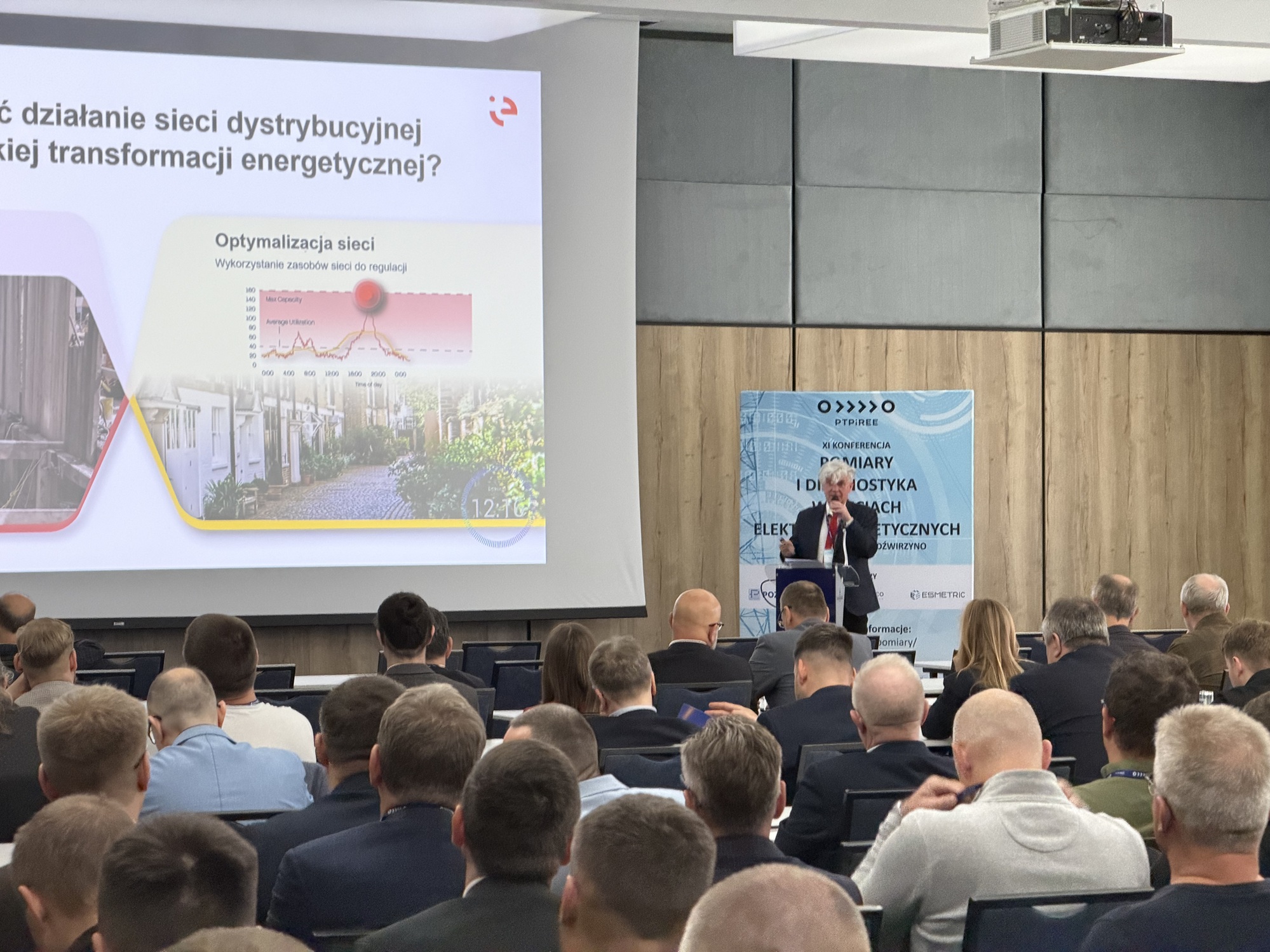
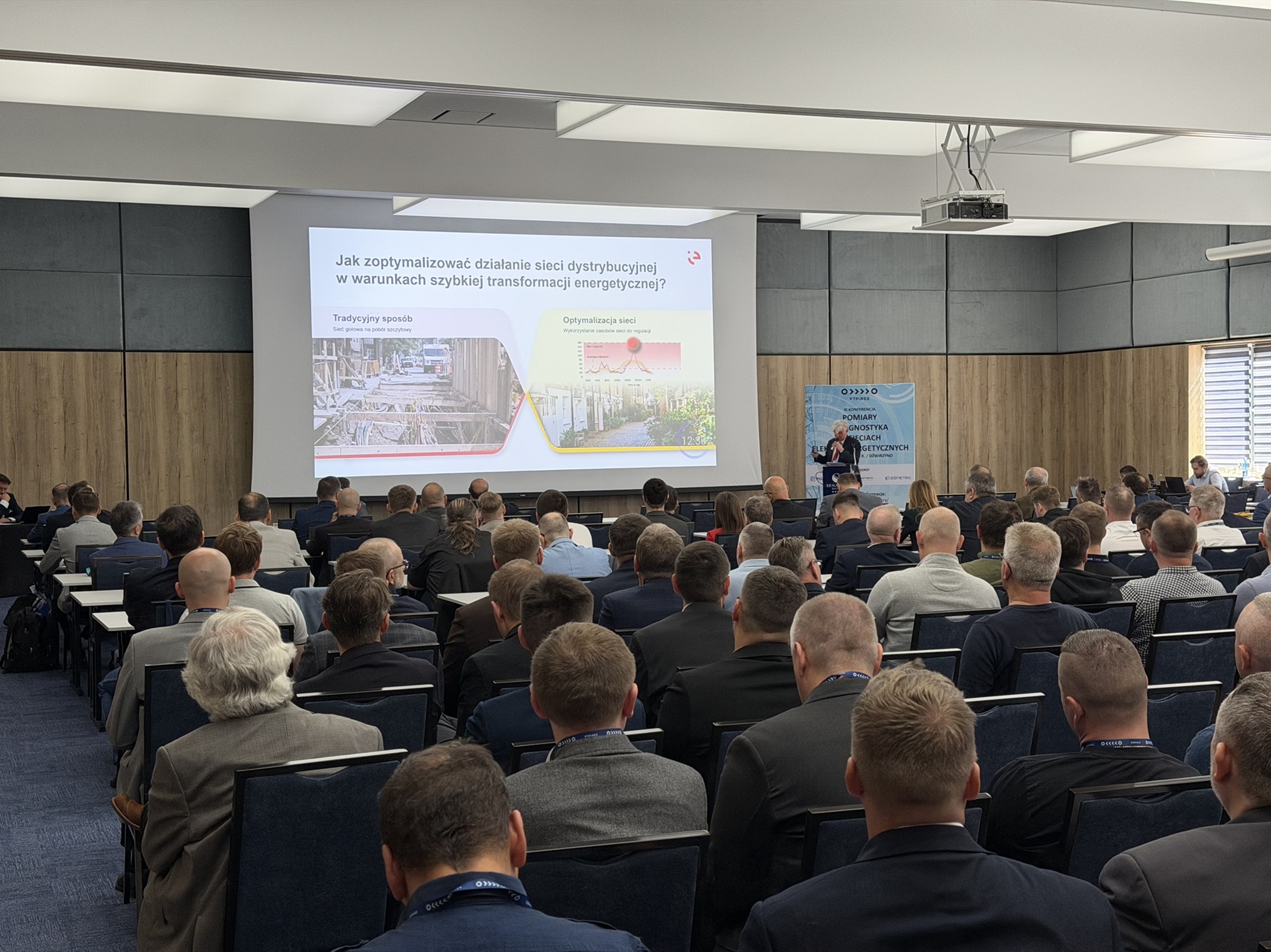
In the session “How observability redefines the way LV grid is managed”, the discussion centered on how improved visibility, combined with analytics and edge intelligence, enables utilities to better understand what is happening in the grid and respond earlier, especially in low‑voltage networks where traditional systems provide limited insight.
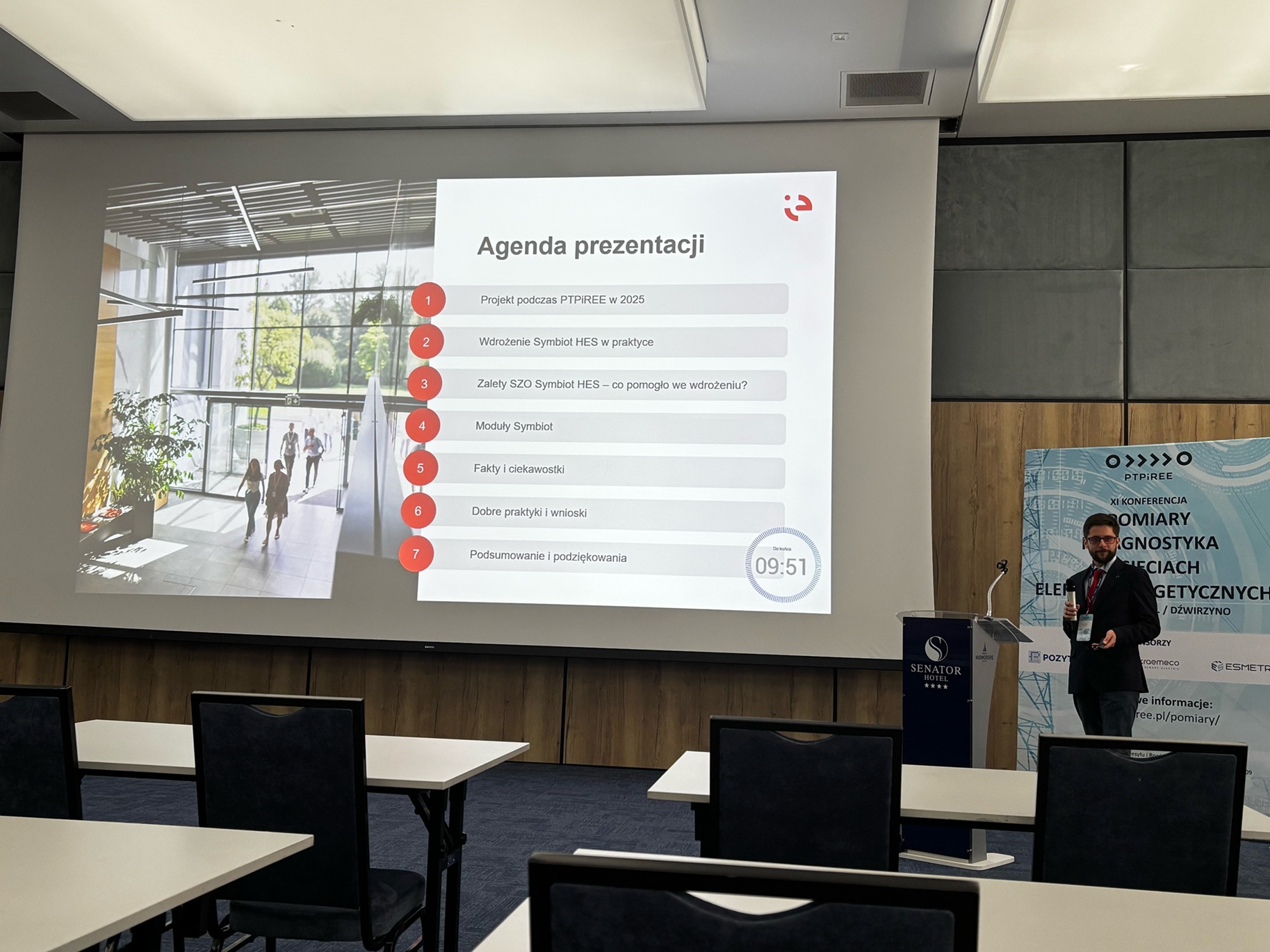
This perspective was complemented by a more practical view in “One Platform – Millions of Meters: Symbiot HES in Practice”, where the focus shifted to the operational reality many utilities are facing: managing vast amounts of metering data and turning it into a stable and usable foundation for further analysis and decision‑making.
Together, the two presentations reflected a common theme across the event, to collect data and how to structure it and use it in everyday operations.
Have questions?
If the topics of grid observability, diagnostics, and data‑driven decision‑making resonate with your current challenges, our experts would be happy to continue the conversation.
